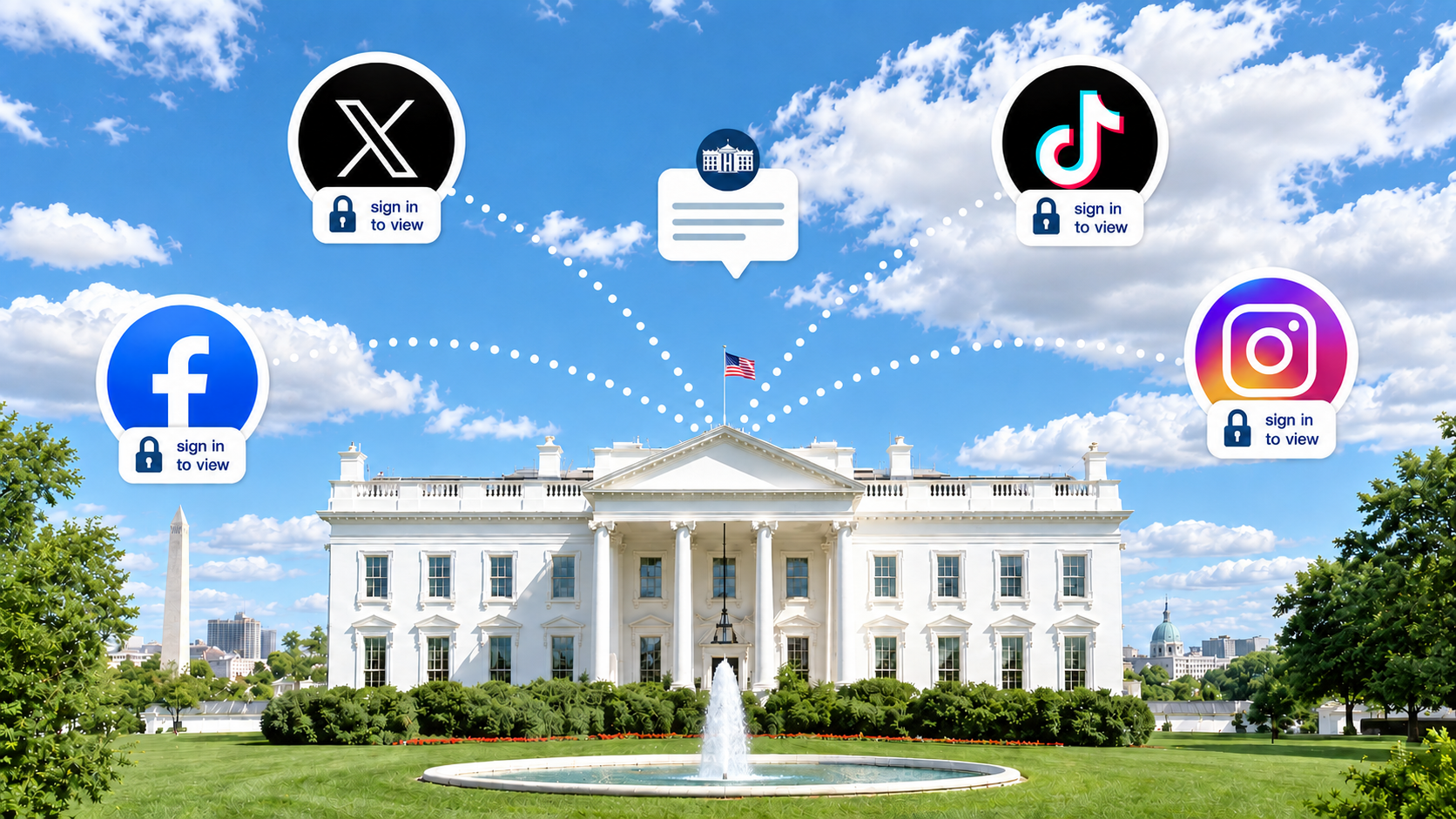
Imagine a world where the most critical information about your safety, your taxes, and your rights arrives not via a proprietary app you must download, but through a universal, open channel that everyone owns. For decades, this was the reality. Government agencies published notices on their own websites or distributed them via standardized mailing lists, ensuring that the mechanism of delivery was neutral and accessible to all. Today, that landscape has shifted dramatically, yet we have moved in the opposite direction of transparency.
Now, the primary communication channel for most officials is a scattered collection of accounts on private platforms. Senators discuss policy updates on Facebook, city representatives livestream town halls on TikTok, and county offices broadcast emergency alerts on X. The mayor's office runs short videos on Instagram, while the state legislature hides behind LinkedIn articles. This fragmentation is not merely an inconvenience; it is a fundamental restructuring of how public authority is exercised and accessed.
Comments
Post a Comment