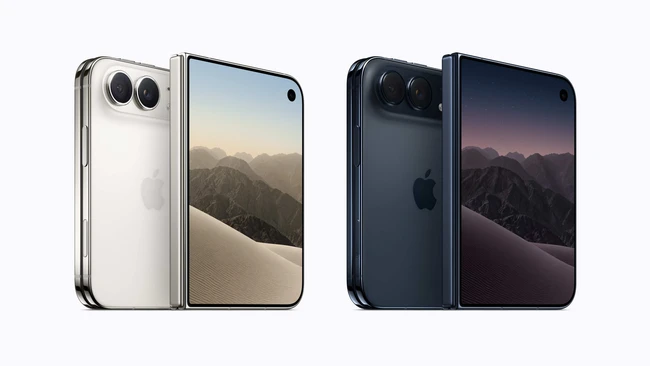
For decades, the smartphone industry has been stuck in a paradox where bigger screens meant heavier devices, forcing users to choose between portability and productivity. Apple's introduction of the iPhone Duo shatters this stalemate, not by simply making a larger phone, but by introducing a hinge mechanism that transforms a compact 5.4-inch slab into a 7.6-inch landscape canvas. This is not merely an incremental upgrade; it is a fundamental reimagining of form factor that finally allows the device to truly serve both the pocket and the workspace without compromise.
The engineering behind this transition is where the story gets fascinating. The inner display utilizes a polymer-based flexible panel that folds inwards, protected by a robust hinge system designed to withstand thousands of daily cycles. Apple has seemingly solved the durability issues that plagued early foldables from competitors, focusing heavily on the precision of the folding mechanism to prevent screen creasing and maintain structural integrity. This technical leap suggests that the future of mobile computing isn't about replacing our phones with tablets, but rather evolving the phone itself into a dynamic interface.
Comments
Post a Comment