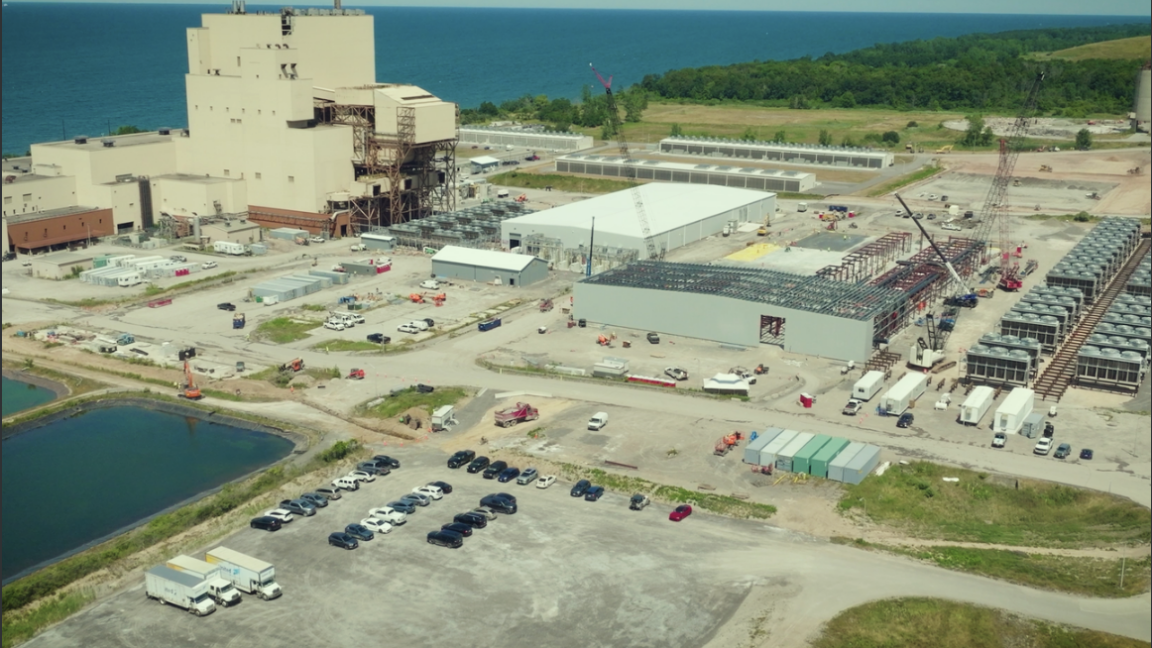
It is a peculiar anomaly in the modern tech landscape that a single facility capable of powering the digital ambitions of an entire generation requires the financial fingerprints of three distinct billion-dollar conglomerates. When a project of this magnitude—tagged with a staggering $3.2 billion price tag—emerges, the traditional linear model of corporate accountability shatters, replaced by a tangled web of joint ventures, subsidiary contracts, and shared liabilities. The result is a structure so complex that no single board member can easily trace where the responsibility for a server failure, a cooling system breakdown, or an ethical oversight truly begins or ends.
This diffusion of ownership is not merely a legal cleverness but a strategic necessity born from the sheer scale of artificial intelligence infrastructure. The demand for compute power has outpaced the ability of any single corporation to build the necessary real estate, secure the energy grids, and deploy the specialized hardware without leveraging massive capital reserves from partners. Yet, as the industry rushes to scale, this collaborative model introduces a dangerous ambiguity. When multiple entities sign off on the same blueprint, who bears the burden when the reality of physics clashes with the theoretical promises of AI?
Comments
Post a Comment