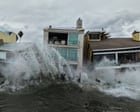
The Southern California coastline, usually a postcard of sun-drenched skies and gentle surf, has been reduced to a chaotic landscape of debris and displaced water. This weekend, the remnants of Tropical Storm Rachel unleashed a fury that reminded residents just how precarious life can be when the ocean decides to reclaim its territory. In Long Beach, the iconic boardwalk, a symbol of leisure and community for decades, lay in ruins, its wooden planks splintered and posts uprooted by waves that far exceeded historical averages. The scene was one of surreal devastation, where the familiar rhythm of boardwalk life was replaced by the sound of groaning timber and the roar of rushing water.
While the damage to infrastructure is visible and quantifiable, the human cost is measured in the quiet displacement of families who have called these shores home for generations. Homes along the coast suffered significant structural damage, with seawalls overwhelmed and foundations threatened by the sheer volume of floodwater that surged through streets normally reserved for cars. This is not merely a weather event; it is a stark illustration of the vulnerability of coastal development in the face of intensifying climate patterns. As the water receded, it left behind a stark reminder of the forces that shape our geography and the limits of our engineering defenses.
Comments
Post a Comment