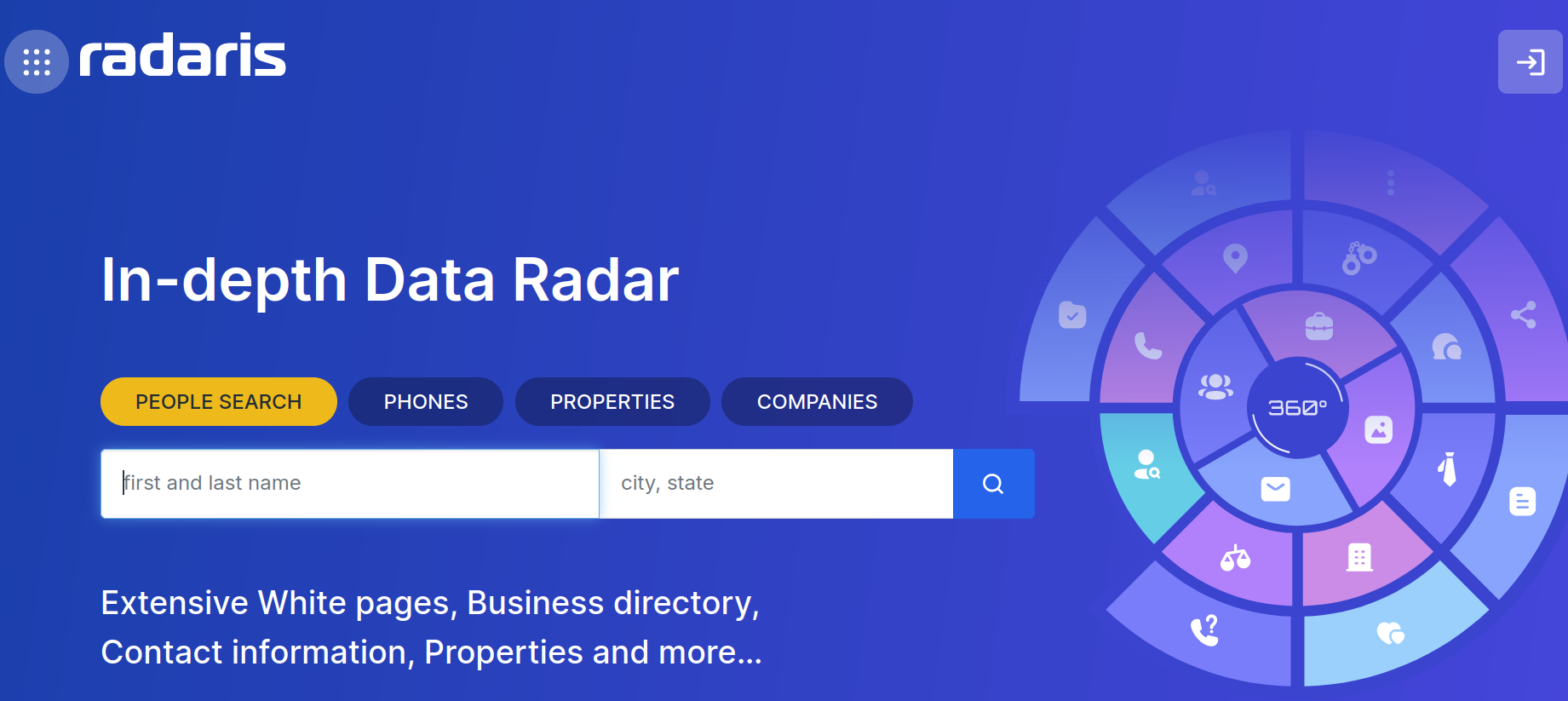
The digital age has birthed a shadow economy where the most intimate details of our lives are treated as currency, and few players in this marketplace are as aggressive or notorious as Radaris. For years, the company has operated under a cloud of controversy, building a vast empire of people-search services that aggregate public records into invasive profiles. The core of their business model has always relied on a willingness to ignore the pleas of individuals seeking to protect their privacy, effectively treating personal data as a commodity to be hoarded rather than a right to be respected. This pattern of stonewalling is not merely a matter of corporate policy; it is a fundamental challenge to the concept of informed consent in the digital realm.
The recent legal skirmish involving Radaris serves as a stark reminder that such tactics have a breaking point. The lawsuit, which alleges violations of New Jersey privacy law, targets the specific act of publishing personal information on state law enforcement officials. While the law is designed to protect the anonymity of those enforcing the law, the data broker industry has often viewed such statutes as obstacles to be circumvented rather than boundaries to be respected. The court's response to this attitude was swift and decisive: after facing repeated prevarication and obstruction from Radaris's legal team, a judge ordered the transfer of the company's primary domain and more than a dozen others. This is not just a legal victory; it is a strategic dismantling of a corporate fortress built on the backs of ignored privacy requests.
Comments
Post a Comment