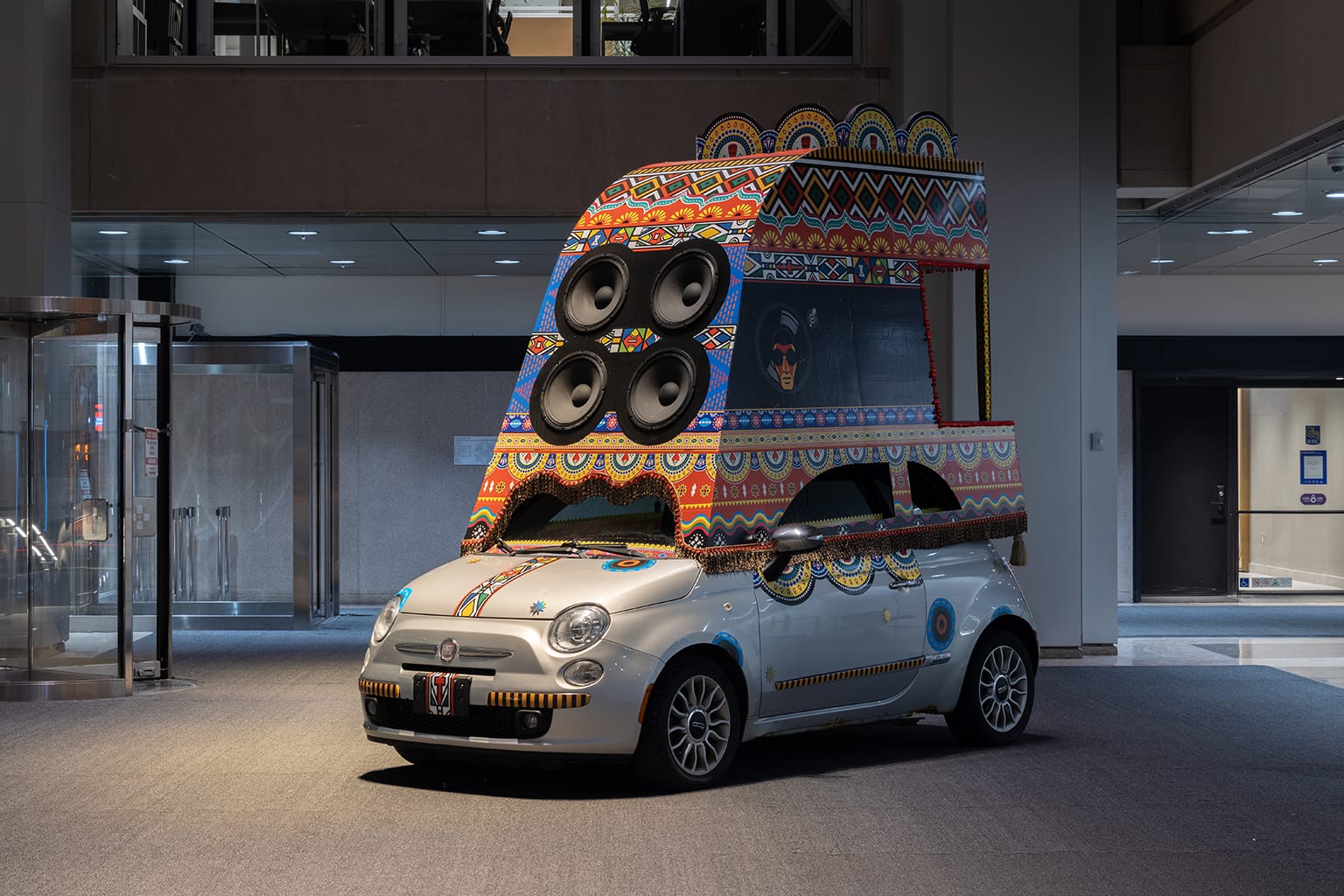
Eddy Firmin's studio in Montreal is less a place of quiet contemplation and more an archaeological dig site for the human condition, where the layers of colonial history are stripped away to reveal the raw, often violent, truths buried beneath. His work does not merely depict history; it stages an interrogation of it, using sculpture as a weapon to dismantle the comforting narratives we have been taught about our past. In a world where museums and galleries often sanitize the stories of colonization into tidy exhibits, Firmin insists on the messiness, the brutality, and the unresolved tension of those epochs, forcing the viewer to stand uncomfortably close to the reality of what was lost and what was stolen.
The core of Firmin's practice lies in his ability to transform everyday objects and cultural symbols into conduits for political memory. He takes the artifacts of a colonized world—the tools, the textiles, the remnants of daily life—and recontextualizes them within spaces that mimic the grandiosity of imperial power. By doing so, he exposes the absurdity and cruelty of the systems that claimed these objects as trophies or evidence of civilization. It is a visual rhetoric that speaks directly to the trauma of displacement, reminding us that the modern landscape is built upon a foundation of erased identities and suppressed histories that refuse to stay buried.
Comments
Post a Comment