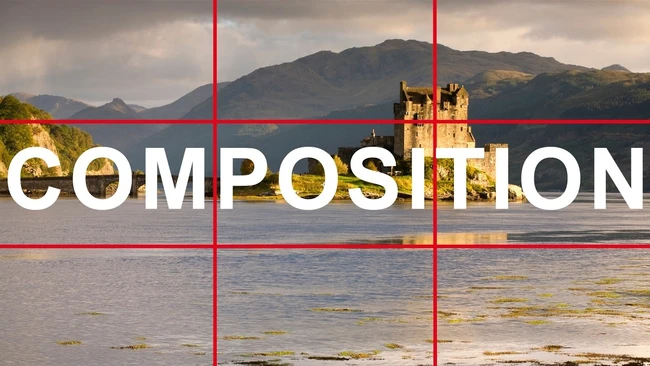
For decades, we have been told that photography is a science of geometry, a rigid pursuit where the placement of a subject determines the difference between a forgettable snapshot and a gallery-worthy masterpiece. The Rule of Thirds, that grid dividing the frame into nine equal segments, became the holy grail for beginners, a simple heuristic promising immediate order in the chaos of the world. We learn it early, we memorize it, and we apply it with the fervor of religious doctrine, cutting our images along invisible lines just to feel safe in our compositions. But what happens when the scene demands something that defies these neat boxes?
The reality of visual composition is far messier than any textbook can suggest. While the Rule of Thirds is a useful starting point, it is hardly the be-all and end-all of framing. Other guidelines like leading lines, symmetry, and the golden ratio each offer their own unique promise of balance, yet they often clash with the actual emotional weight of a moment. A photographer spends years collecting these tools, treating them as a Swiss Army knife of sorts, reaching for the right blade for every situation. Yet, this accumulation of rules often leads to a paradox: the more we adhere to them, the more mechanical our images become, losing the very spontaneity that makes photography compelling.
Comments
Post a Comment