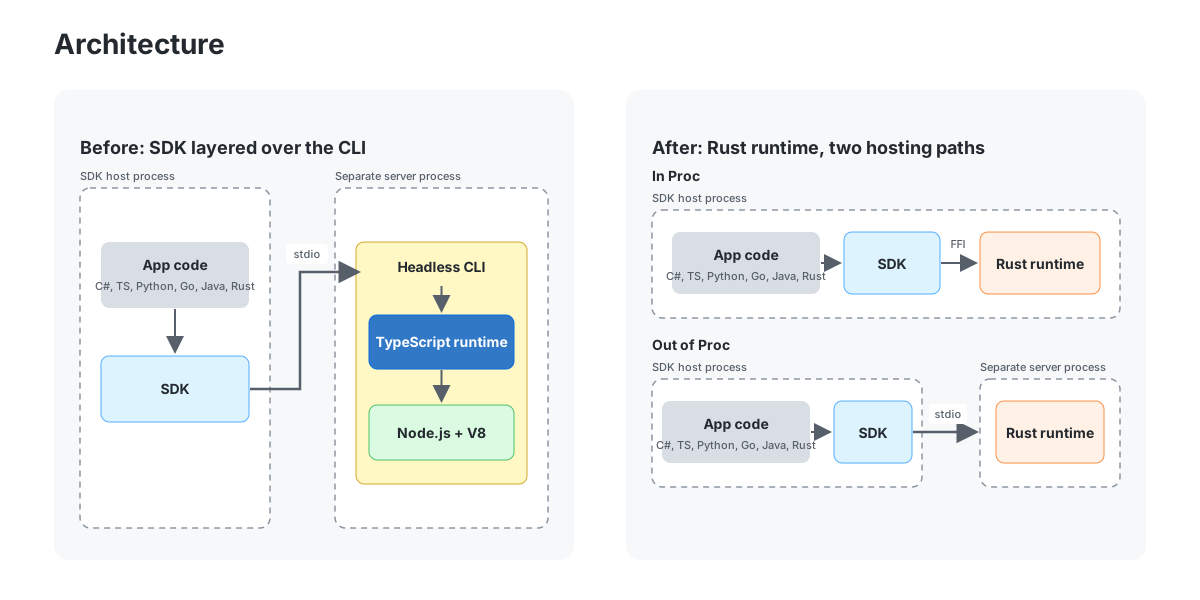
For years, the idea of rewriting a massive codebase using the very AI tool that lives within it felt like a paradox of convenience. It wasn't just a theoretical exercise; it was a practical necessity for the GitHub Copilot team, who found themselves staring down the barrel of a monolithic Java runtime that was becoming too slow and hard to maintain. Before the advent of modern coding agents, such a migration would have required hundreds of engineers working for years, a timeline and budget that simply didn't exist. The sheer scale of the project, eventually spanning eight hundred thousand lines of production Rust, represented a shift where the tool and the task were perfectly aligned in a way that had never been possible before.
The decision to port the Copilot agent runtime wasn't driven by a desire for trendy languages, but by the hard engineering reality that the existing stack could no longer scale with the demands of the platform. The old system was sluggish, bogged down by the overhead of a general-purpose language that wasn't optimized for the specific, low-latency constraints of an AI-driven development environment. Rust offered the memory safety and performance characteristics required to handle thousands of concurrent requests without the fear of crashes or memory leaks that plague interpreted languages. However, translating that vision into reality required a team willing to trust the process enough to let the AI drive the migration while they acted as the vigilant editors.
Comments
Post a Comment