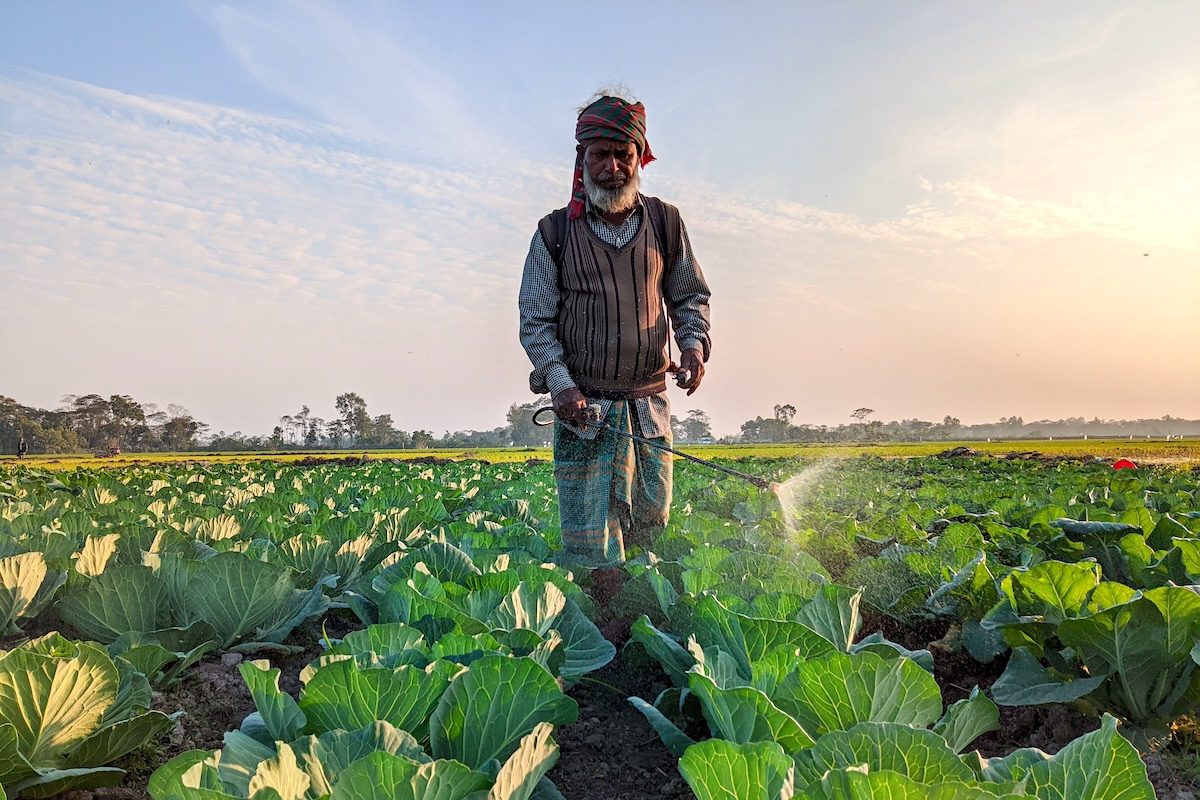
In the quiet dawn of a rice paddy in Vietnam or the humid heat of a cotton field in India, the work begins not with the promise of harvest, but with the calculation of survival. A new study shatters the illusion that agricultural safety has improved as technology has advanced, revealing a stark, terrifying truth: nearly half of the world's farmers are poisoned by pesticides every single year. This is not a statistical anomaly reserved for the developing world; it is a global systemic failure where the very tools used to feed humanity simultaneously threaten the lives of those who cultivate it.
The mechanism behind this crisis is often invisible, masked by the very air we breathe and the soil we till. Pesticides are designed to be lethal to specific organisms, yet they frequently lack the precision to discriminate between pests and humans. When applied, these chemicals enter the bloodstream through the skin, the lungs, or contaminated food and water. The symptoms can range from immediate nausea, dizziness, and blurred vision to long-term neurological damage, reproductive issues, and cancers that may not manifest for decades. For a farmer standing knee-deep in a spray mix without proper protective gear, the margin for error is non-existent.
Comments
Post a Comment