There is a persistent tension in modern software development between the holy grail of frontier intelligence and the cold, hard reality of operational cost. For years, the industry has treated large language models as either binary commodities—too small to be useful or too expensive to run at scale—or as magical black boxes where quality is the only metric that matters. We have accepted a world where generating code requires firing the most powerful models available, regardless of whether they are needed for a simple utility function. This approach is not just inefficient; it is a structural flaw that inflates budgets and slows down the velocity of innovation.
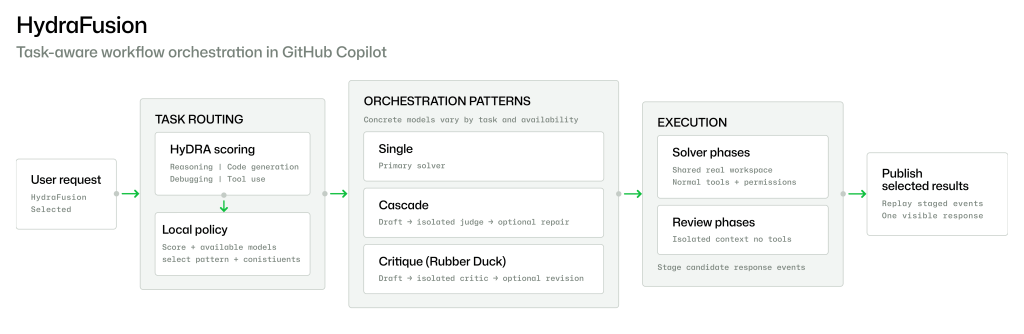
Enter Project HydraFusion, a new orchestration strategy that fundamentally rethinks this trade-off. Rather than relying on a single monolithic model to handle every task, HydraFusion introduces a selective workflow that intelligently routes coding requests based on complexity and context. The core insight is that not every line of code requires frontier-level reasoning. By deploying a hierarchy of models, the system can reserve the most expensive, high-capacity instances for the critical architectural decisions while letting smaller, faster models handle the routine glue code and boilerplate.
Comments
Post a Comment