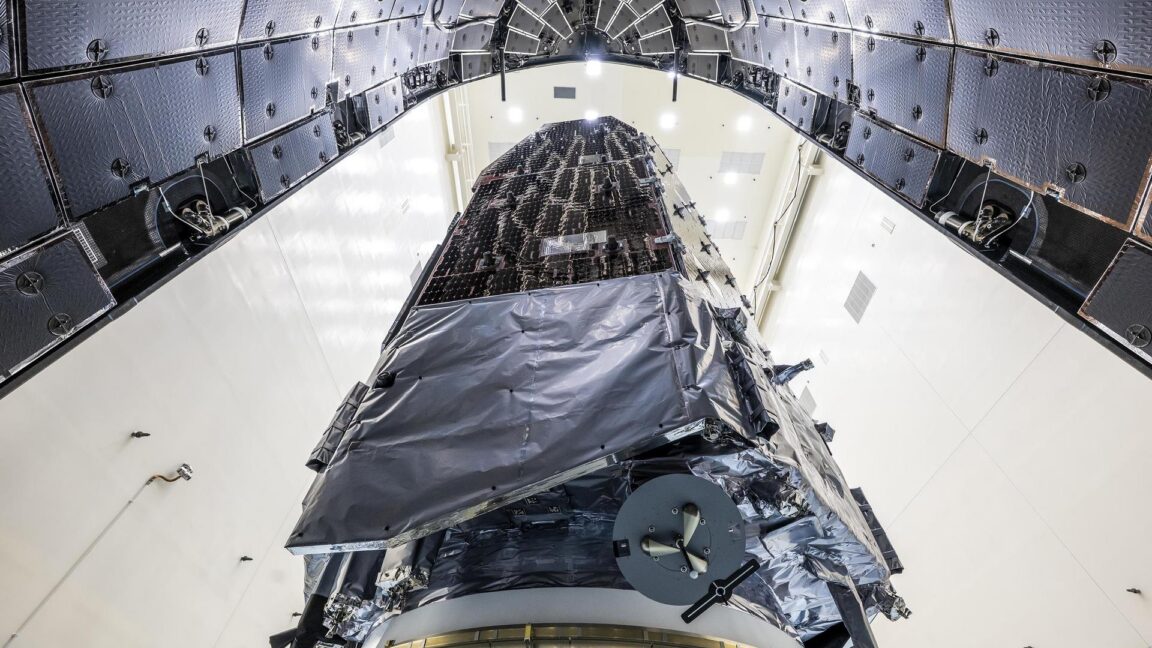
For decades, space telescopes have been the lonely sentinels of the cosmos, bound by the harsh reality that once their onboard fuel is spent, their vision is permanently extinguished. They are essentially disposable luxury items, built with exquisite precision but designed to die after a decade or two of service. The Nancy Grace Roman Space Telescope shatters this architectural constraint, standing as the first NASA observatory conceived from the ground up with in-space refueling as a core requirement. This is not merely an afterthought or a patch applied to an existing design; it is a fundamental shift in how we approach the longevity of our scientific eyes in the dark.
The engineering challenge of delivering fuel to a telescope orbiting hundreds of miles above Earth is staggering, involving complex rendezvous maneuvers, robotic docking, and the precise management of propellant in a microgravity environment. Yet, the Roman team has successfully modeled scenarios where a tanker spacecraft can visit the observatory, transfer cryogenic fluid, and depart safely, ensuring the telescope can operate for significantly longer than its original design life. This capability transforms the Roman from a temporary visitor into a permanent resident of the solar system's observatory network, capable of witnessing phenomena that would otherwise fade from our view before we could study them in depth.
Comments
Post a Comment