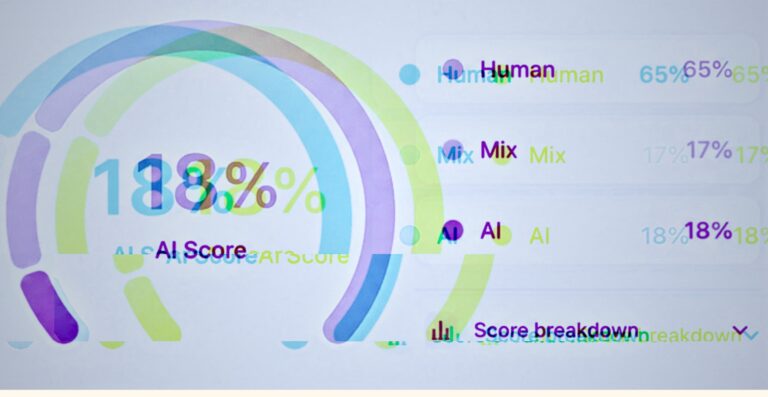
The ink had barely dried on Simbarashe Moyo's victory in The Caine Prize, Africa's most prestigious short story competition, when the shadow of a silicon ghost began to lengthen across the literary world. The controversy erupted not from a confession by the Zimbabwean author, but from a sudden, viral claim that his winning entry, "The Wounds of the World," was the product of generative artificial intelligence. This accusation arrived with the velocity of a digital wildfire, fueled by algorithms designed to mimic human creativity and a public increasingly suspicious of the origins of the text before them.
Vauhini Vara, a journalist who has spent years meticulously tracking the encroachment of AI into creative spaces, seized the moment to sound the alarm. In a piece for The Atlantic, Vara argued that if the Caine Prize winner indeed utilized an AI tool to compose his work, it would signal a catastrophic turning point. The stakes are not merely about one author's integrity; they represent a fundamental shift in the definition of literature itself. If the soul of a story can be synthesized by a machine trained on the collective output of humanity, what remains for the human mind to offer?
Comments
Post a Comment