On this day in space! Oct. 13, 1773: Astronomer Charles Messier discovers the Whirlpool Galaxy before we ever knew it was a galaxy
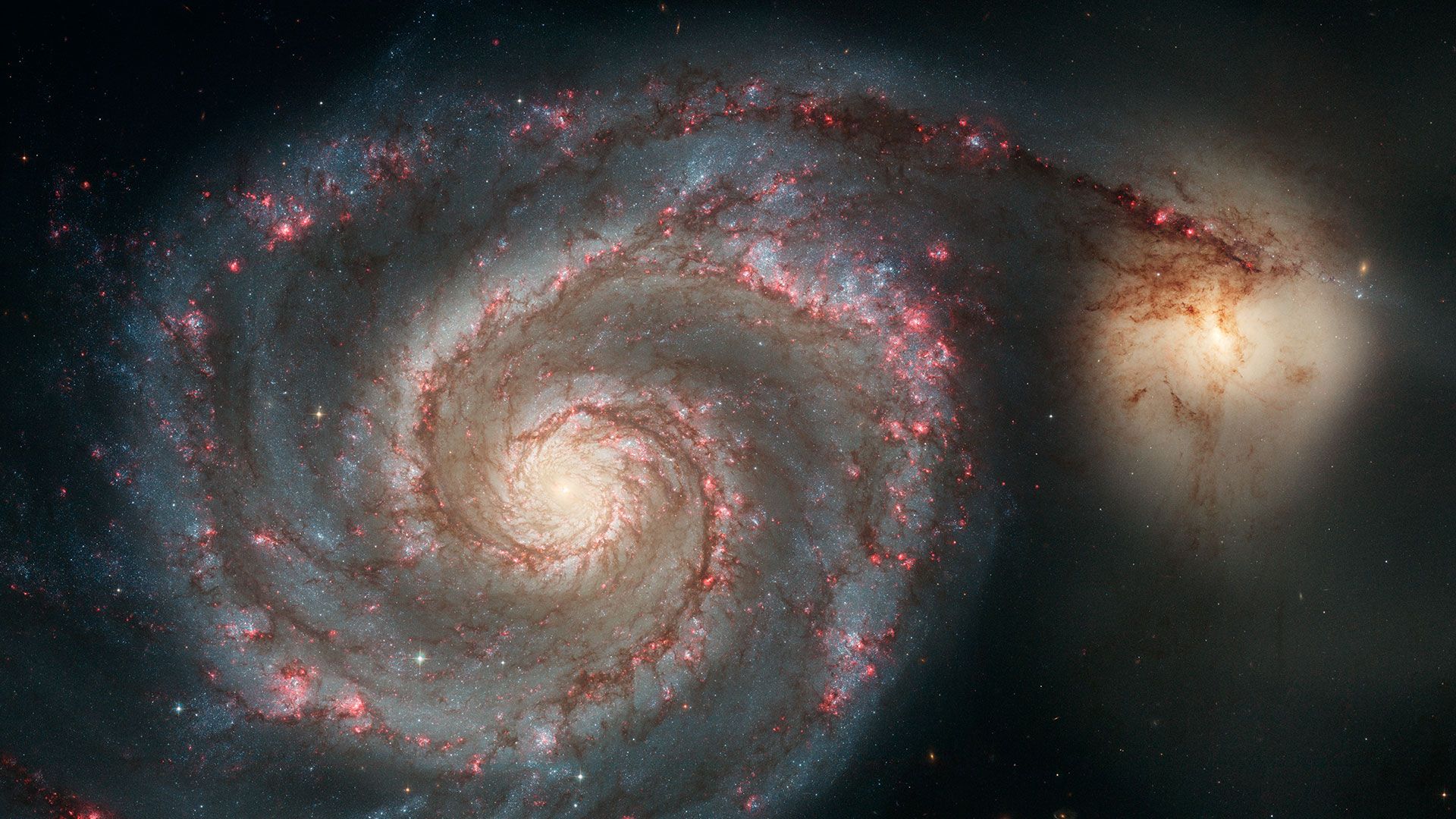
It is a profound irony that one of the most beautiful objects in our cosmic neighborhood was cataloged as a mere curiosity long before humanity realized it was a universe unto itself. On October 13, 1773, Charles Messier, a French astronomer whose life's work was dedicated to mapping the chaotic sky, swept his telescope across the heavens and noted a swirling nebula that would later bear the name M51. At the time, the distinction between a glowing cloud of gas within our own galaxy and a distant island universe containing billions of stars was a mystery that would not be solved for nearly another century. Messier saw a ghost in the machine of the cosmos, a luminous smudge that refused to resolve into distinct stars even through the best optics of the age.
This discovery was not made in the spirit of wonder, but rather of classification and exclusion. Messier was not chasing the unknown; he was hunting for dangerous confusions. His primary goal was to compile a list of "mistakes"—nebulae and clusters that astronomers might accidentally mistake for comets as they moved across the sky. When Messier pointed his telescope at this swirling spiral, he recorded it simply as a non-cometary object, unaware that he was peering into a grand structure that would eventually dwarf our own Milky Way in scale and complexity. The Whirlpool Galaxy was, in a sense, invisible to the scientific understanding of its era, hidden in plain sight as just another fuzzy patch of light.
Comments
Post a Comment