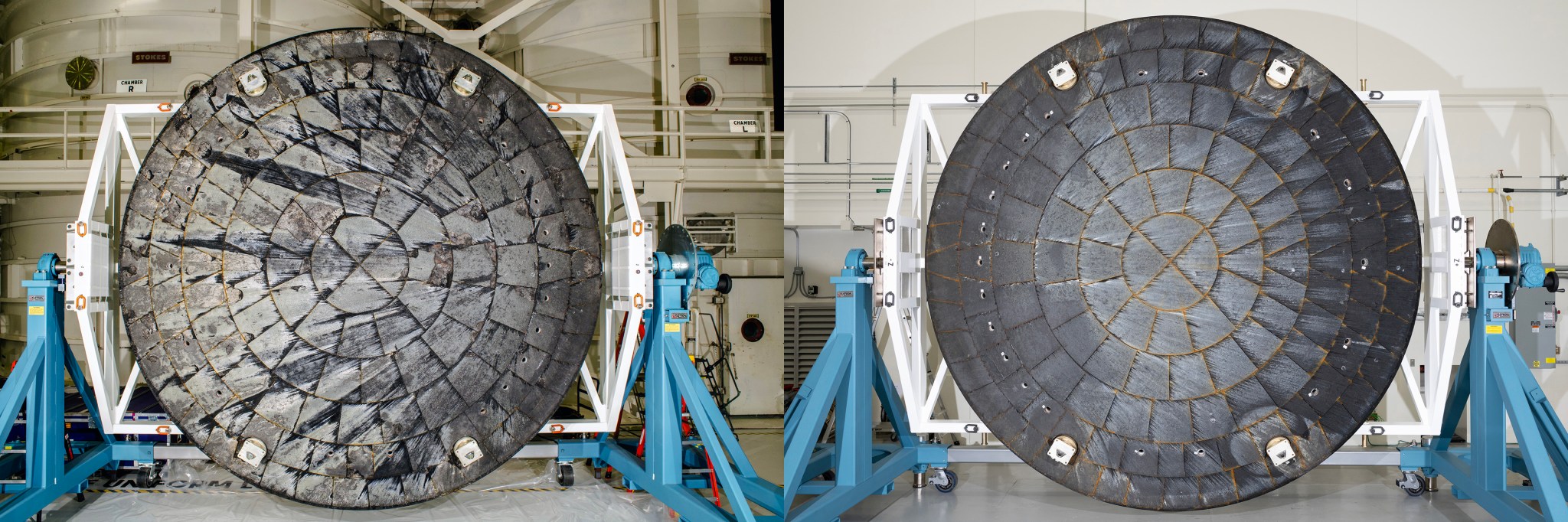
The silence of the vacuum is a deceptive comfort; in the black of space, the real danger isn't the cold or the void, it is the return. When the Orion spacecraft tore through the atmosphere on its historic trajectory, it carried four astronauts on a lap around the Moon, a feat that demands absolute perfection from every inch of its exterior. The heat shield wasn't just a piece of equipment; it was the final, non-negotiable barrier between human life and the searing fury of re-entry, and confirming its performance is not merely an engineering checkbox, it is a validation of our ability to touch the stars and come back alive.
Initial telemetry suggested the Thermal Protection System held firm, but numbers in the digital realm are only as trustworthy as the ground truth. Rigorous post-mission analysis has now closed that loop, dissecting terabytes of thermal data and comparing them against thousands of hours of ground testing. Engineers found that the ablative materials, those tough, sacrificial layers designed to char and erode rather than melt, performed with a fidelity that exceeded even the most optimistic computer models. The heat didn't just bounce off; it was consumed, layer by microscopic layer, exactly as the physics predicted.
Comments
Post a Comment