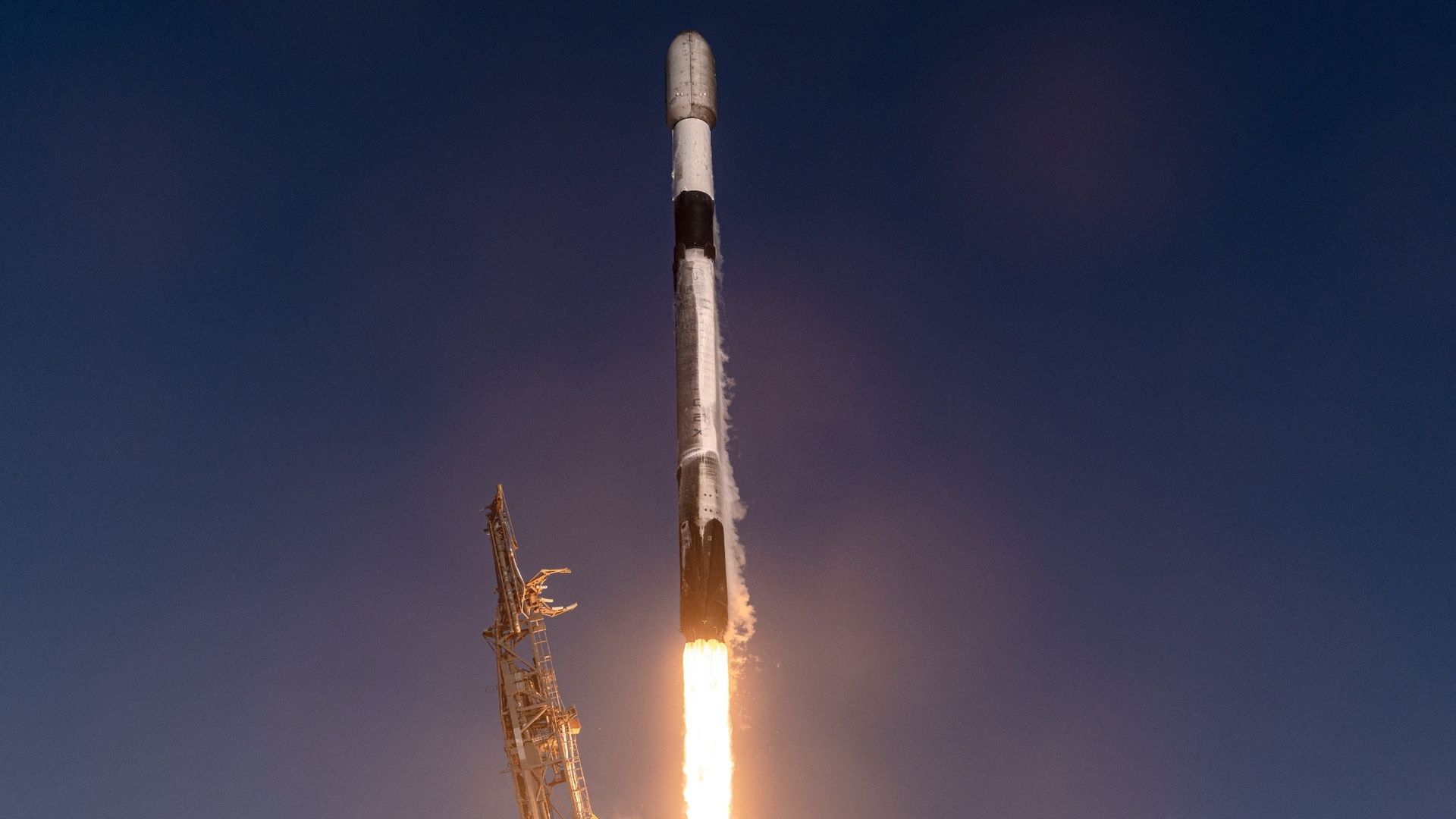
It has been a quiet week for the sky, broken only by the familiar, rhythmic thrum of a Falcon 9 landing somewhere in the Atlantic, but today marked a significant pause in the relentless cadence of space commerce. For over three weeks, the launch pads stood silent, a rare lull in the global machine that SpaceX built to deliver connectivity to the edges of the earth. With the launch occurring on October 12, the company returned to its standard operating procedure, deploying twenty-seven Starlink satellites into orbit, effectively re-establishing the heartbeat of its global network.
This delay, though brief in the grand scheme of orbital mechanics, is actually a fascinating glimpse into the intricate logistics of modern spaceflight. It is not merely a matter of a broken engine or a missed window; it is the result of complex scheduling conflicts involving weather patterns, ground station availability, and the precise phasing required to deploy these satellites into their specific orbital slots. When the rocket finally ignited, it did so with the same calculated precision that has defined the enterprise for years, proving that the system, even when paused, remains robust and ready for immediate deployment.
Comments
Post a Comment