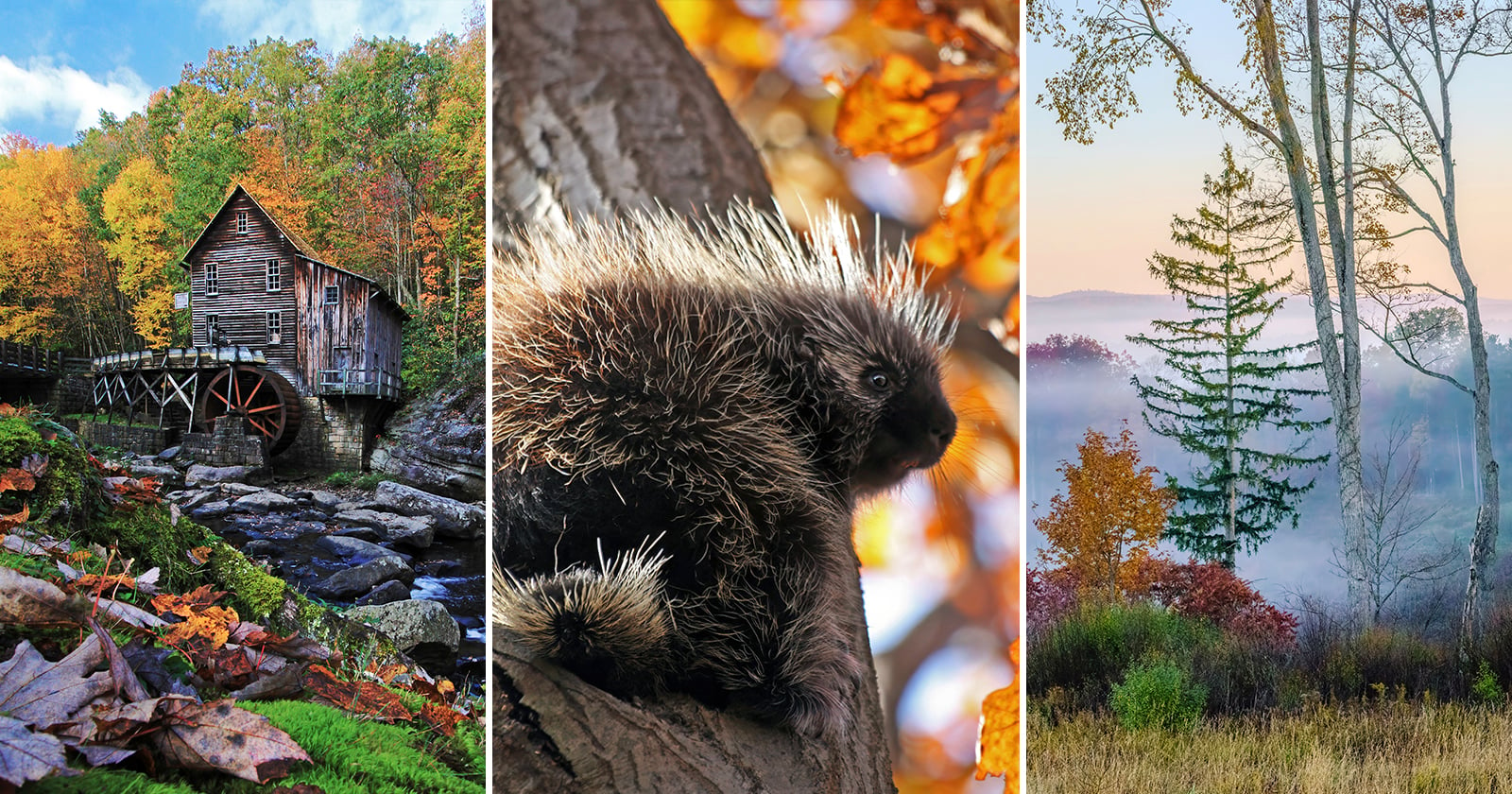
Autumn in the Northeast is a deceptive phenomenon, often mistaken for a mere biological event where trees simply change color and drop their leaves. In reality, it is a high-stakes race against time that demands the same kind of strategic planning found in any other complex field. For two decades, I have treated fall foliage not as a casual backdrop for vacation snapshots, but as a volatile natural phenomenon requiring precise timing, weather forecasting, and an intimate understanding of light physics. The fleeting window of opportunity is not a poetic metaphor; it is a hard constraint that dictates every aspect of the workflow, from the moment the first frost hits to the second the sun dips below the horizon.
The common misconception that one only needs to be in the right place when the leaves are at their peak is the single greatest mistake photographers make. Peak color is rarely a sustained plateau; it is usually a narrow ridge of perfection that can vanish within forty-eight hours due to a sudden drop in temperature or a shift in wind patterns. Over twenty years, I have learned that the "peak" is often a moving target, shifting geographically from the high elevations of the Appalachians to the coastal plains depending on the microclimate. This forces a shift in mindset from waiting for the perfect day to actively hunting for it, often requiring multiple scouting trips over a week to identify the specific patches of forest that will hold color the longest.
Comments
Post a Comment